PTSD TREATMENT
A Safe, Personalized Approach to Healing from Trauma
A physician-led approach to understanding and treating the neurological and physiological effects of trauma—designed to support lasting recovery.

Trauma can continue to affect how you feel, think, and respond—long after the event has passed.
Unwanted memories, flashbacks, or distressing thoughts that are difficult to control.
Difficulty falling or staying asleep, often interrupted by vivid or distressing dreams.
A sense of disconnection from emotions, relationships, or daily life.
Why Traditional PTSD Treatment Falls Short

Why Traditional PTSD Treatment Falls Short
PTSD is often approached through talk therapy alone—but trauma also affects the brain and body in deeper ways that may require a more comprehensive approach.
Trauma can keep the body in a prolonged state of “fight or flight,” making it difficult to feel calm or safe.
Changes in brain chemistry can impact mood, memory, and emotional processing.
Long-term activation of stress hormones can affect sleep, energy, and overall wellbeing.
We provide personalized, physician-led care to understand and support the healing of trauma at its root.

A thoughtful, in-depth understanding of your symptoms, history, and how trauma is affecting your mind and body.
Identifying underlying imbalances in stress response, hormones, and neurological function.
A carefully tailored approach designed to support regulation, resilience, and long-term healing.
What You Can Expect
A more balanced response to stress and reduced intensity of triggers.
More restful sleep with fewer interruptions from anxiety or nightmares.
Feeling more grounded and less constantly on edge.
A stronger ability to cope, process, and move forward at your own pace.
What Our Clients Say
Frequently Asked Questions
Do I need to revisit or talk through my trauma in detail?
Not necessarily. Treatment is individualized, and many effective therapies do not require repeatedly discussing traumatic events. Some people find it upsetting to discuss certain things until they get to know me better and are ready to reveal them.Answer goes here
How is this approach different from traditional therapy?
Along with psychotherapy, we address the nervous system, sleep, nutrition, inflammation, hormones, digestion, and brain function to support recovery.
What kind of testing is involved?
Testing may include detailed laboratory evaluations, nutritional and hormonal assessments, stool analysis, tests for toxins and mold, and other tests based on your individual symptoms.
How long does treatment take?
Recovery varies from person to person. Some patients improve within weeks, while others benefit from longer-term treatment. After people feel better, they stop seeing me, or reduce the frequency of their visits, and may check in with me from time to time.
Is this approach suitable if I’ve tried therapy before?
Yes. Integrative psychiatry may offer additional treatment options even if previous therapy has not provided complete relief. Traditional therapy often does not consider integrative modalities that are crucial to recovery.
Meet the doctor
Barbara Bartlik, MD – Integrative Psychiatry
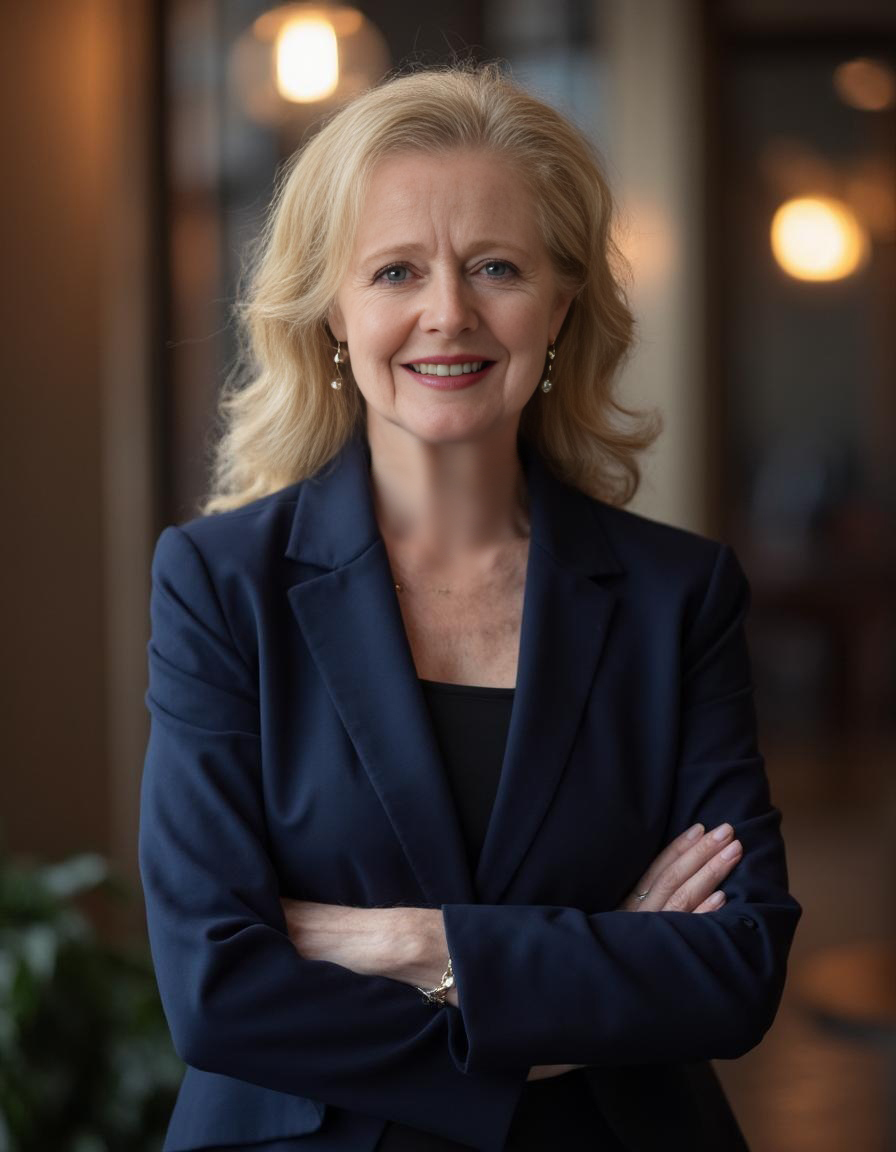
Barbara Bartlik, MD – Integrative Psychiatry
- 30+ years experience
- Triple board certified in Psychiatry, Integrative medicine, and sexology
- Editor of Integrative Sexual Health
- Faculty at Weill Cornell
- Recognized among New York Magazine’s Best Doctors in Psychiatry
Dr. Bartlik specializes in identifying and treating the underlying biological factors behind mental and sexual health concerns.
Speak direclty with Dr. Barbara to understand your symptoms, explore potential causes, and determine next best steps in you care.